
Safety - Boating Tips & Advice
All Boating Tips Boat Transport Wooden Boats Trailers Buying a Boat Insurance Jet Ski Boat Dealers Cruising Fishing Boating Tips Safety Sailing Weather Forecast Boat Maintenance Selling a Boat Finance Sustainability Industry News

Boat And Jet Ski Licence Requirements In New Zealand - A State-by-State Guide
If you're planning to buy a boat or jet ski anywhere in New Zealand, the first question isn't which model to choose. It's whether you're legally allowed to drive it, and what you need to do to get there. Licensing rules for boats and personal watercraft (PWC) are set at state and territory level, not ...
Read the Full Story
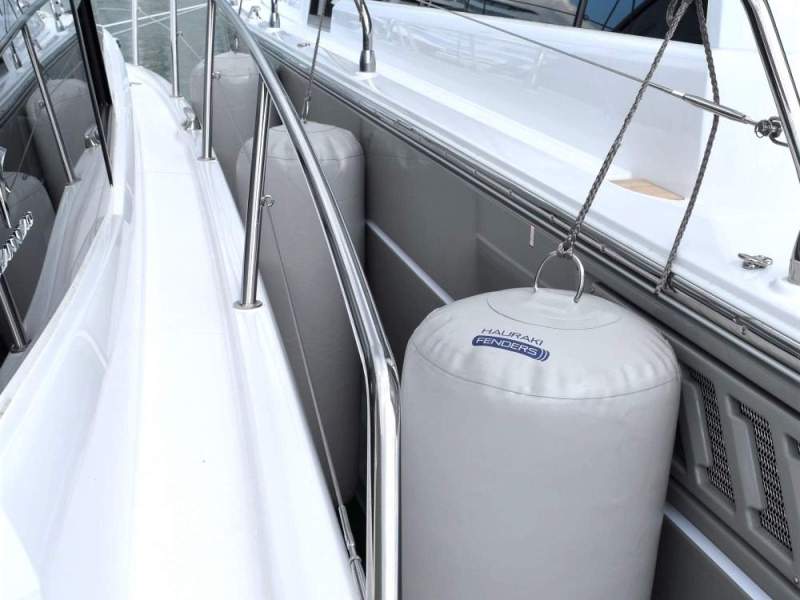
Inflatable Boat Fenders - An Essential Item For Every Boat
Whether you’re docking at a busy marina, rafting up with mates for a weekend adventure, or protecting your vessel at public docks, inflatable boat fenders are one of the most important – yet often overlooked – pieces of gear on board. For New Zealand boating conditions, where ...
Read the Full Story
Essential Safety Gear Checklist For Boaties
Boating can be fun and exciting, but it's important to always be prepared for emergencies. Every boat should carry life jackets, flares, a marine-rated fire extinguisher, an EPIRB, a VHF radio, navigation lights, an anchor, a bilge pump, a first aid kit and a compass, all properly maintained and ...
Read the Full Story
Boat Storage Solutions: Air Docks, Boat Lifts, Pontoons, Sea Pens
The right boat storage solution, whether an air dock, boat lift, pontoon, sea pen or fab dock, depends on your boat’s size, the water depth at your location, how much maintenance you’re willing to take on, and how easily you want to get the boat in and out of the water.
Air docks use ...
Read the Full Story
Launching A Boat On Floating Brick Docking System
Launching a boat on a floating brick docking system is a little more involved than launching from a traditional fixed dock, but it follows a straightforward sequence: check the dock is secure, prepare the boat, position it, lower it into the water, then secure it to the dock.
A floating brick ...
Read the Full Story
Electric Outboard Motors: All You Need To Know
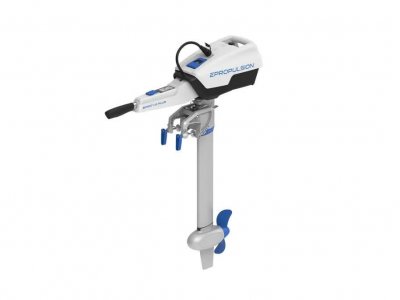
For the purposes of this review we will investigate small (approximately 3hp) outboards. We are all familiar with 2 stroke outboards (dirty but light, no longer manufactured) and 4 stroke outboards (cleaner but relatively heavy). So how does the new range of eco-friendly electric outboards ...
Read the Full Story
5 Tips For Safe Boating With Your Pet
Boating with your pet can be a fun and enjoyable experience, but it’s important to take the necessary precautions to ensure that your pet is safe while out on the water. The five tips below cover life jackets, hydration, hot surfaces and footing, toilet breaks, and keeping your pet secure ...
Read the Full Story
The Art Of Short Handed Boat Berthing
Berthing a boat short-handed is safer and easier when you approach the dock slowly, use lines and fenders to protect the boat, control your speed and direction with the engine and rudder, and communicate clearly, ideally after practising in calm conditions first.
Short-handed boat berthing can be ...
Read the Full Story
How Much Does It Cost To Maintain A Used Boat?
It’s important to look below the surface when getting your boat inspected, and when calculating the costs, it’s no different. Far beyond just the cost of the annual service, any budding boat buyer should consider the initial condition of the boat, alongside how it’s stored and its ...
Read the Full Story
Anchoring - The Very Basics
Anchoring your boat properly is important for safety and convenience. Following a clear sequence, from choosing the location through to monitoring the anchor once it’s set, helps you anchor safely and securely so you can enjoy your time on the water with peace of mind. Before you head out to ...
Read the Full Story