The Art Of Short Handed Boat Berthing
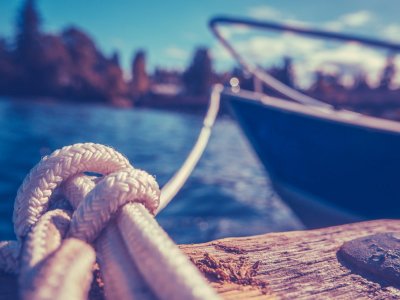
Berthing a boat short-handed is safer and easier when you approach the dock slowly, use lines and fenders to protect the boat, control your speed and direction with the engine and rudder, and communicate clearly, ideally after practising in calm conditions first.
Short-handed boat berthing can be a challenging task, but there are several tips and techniques that can help make the process easier and safer.
Using a spring line to pivot the boat into position, assigning tasks where there is any crew available, and practising in calm conditions before attempting it in more difficult weather all help reduce the risk of damage or accidents.
Having the right safety gear on board before you head out is also an important part of being prepared for any docking situation.
Tips for Berthing a Boat Short-Handed
- Approach the dock slowly and carefully. Make sure you are aware of any other boats or obstacles in the area.
- Use your boat’s lines and fenders to protect it from damage as you approach the dock. Assign specific tasks to each member of your crew, where available, to ensure a smooth and coordinated docking process. Once you’re safely berthed, setting an anchor correctly uses similar principles of controlled positioning and line management.
- Use a spring line to help control the boat’s movement as you approach the dock. A spring line is a line that runs from the bow or stern of the boat to a fixed point on the dock, allowing you to pivot the boat into position.
- Use your boat’s engine and rudder to control your speed and direction as you approach the dock.
- Communicate clearly with your crew and any other boats in the area to avoid accidents. If possible, practise docking in calm conditions before attempting it in more challenging weather.
Safety Comes First
Remember that safety should always be your top priority when docking a boat, especially when short-handed. By following these tips and techniques, you can help ensure a safe and successful docking experience. If you are berthing on a floating dock system rather than a fixed jetty, see our step-by-step guide on launching a boat on a floating brick docking system which covers the additional considerations that apply.
Watch It in Action
In the accompanying video, Brendon Grieve from Motoryachts Unlimited explains how to depart and return to a fixed jetty pylon berth at Pier 21 Marina in North Fremantle on his own. After forging a career spanning three decades working in the luxury end of recreational boating, Brendon decided to put his experience into his own business, hence Motoryachts Unlimited was established. As a well-respected member of the marine industry, during this time Brendon was able to grow a vast network of business partners both locally and internationally.
Frequently Asked Questions
What is a spring line and how does it help with short-handed berthing?
A spring line runs from the bow or stern of the boat to a fixed point on the dock. It allows you to pivot the boat into position using the engine, which makes controlling the boat’s movement much easier when you don’t have extra crew to help with lines.
How can I make short-handed berthing safer?
Approach the dock slowly, have lines and fenders ready in advance, use a spring line to help control the boat’s position, and communicate clearly if there is any crew aboard. Practising in calm conditions before attempting it in difficult weather also helps build confidence.
Should I practise berthing before doing it in bad weather?
Yes. Practising docking in calm conditions first means you can build familiarity with how your boat handles before attempting short-handed berthing in more challenging wind or current.
What should I prepare before approaching the dock?
Have your boat’s lines and fenders ready to protect it from damage, and make sure you are aware of any other boats or obstacles nearby before you begin your approach.