Essential Safety Gear Checklist For Boaties
Boating can be fun and exciting, but it's important to always be prepared for emergencies. Every boat should carry life jackets, flares, a marine-rated fire extinguisher, an EPIRB, a VHF radio, navigation lights, an anchor, a bilge pump, a first aid kit and a compass, all properly maintained and ready for use in an emergency.
Life jackets must fit properly, be easily accessible, and be worn at all times when the boat is underway. Flares should be stored correctly, replaced before they expire, and used only in a genuine emergency, and a marine-rated fire extinguisher should be onboard and properly maintained.
An EPIRB provides a reliable distress signal and location tracking in an emergency, and a VHF radio supports safety, navigation and regulatory compliance. Navigation lights, a suitable anchor, a working bilge pump (plus a backup), a stocked first aid kit and a compass round out the essential safety gear list.
Let's look at each in a little more detail.
Life Jackets
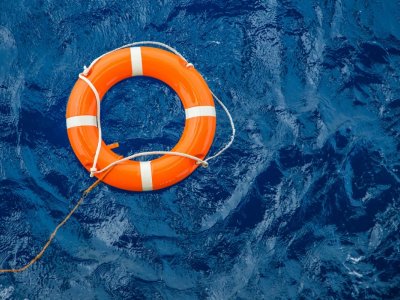
Lifejackets are an essential safety item for anyone on a boat, and there are several important factors to consider when choosing and using them.
Lifejackets should fit properly, be easily accessible, and be worn at all times when the boat is underway. They should also be inspected and maintained regularly, and you should be familiar with the regulations regarding lifejackets in your area. If you're boating with a pet, they need their own properly fitted life jacket too.
Flares
Boat flares are an essential safety device for boaters, particularly when operating in coastal waters or on the open sea. There are different types of flares available, and regulations regarding the types and quantities required may vary depending on the area of operation. Flares should be stored properly and replaced before they expire, and should be used only in an emergency situation.
Fire Extinguisher
Fires can be dangerous and escalate quickly on a boat. Make sure you have a fire extinguisher onboard that is rated for marine use and is properly maintained.
Emergency Position Indicating Radio Beacon (EPIRB)
An EPIRB is an essential piece of safety equipment that can help save lives in the event of an emergency. It provides a reliable distress signal, location tracking, and fast response time, giving boaters peace of mind and ensuring compliance with regulations in many countries.
VHF Radio
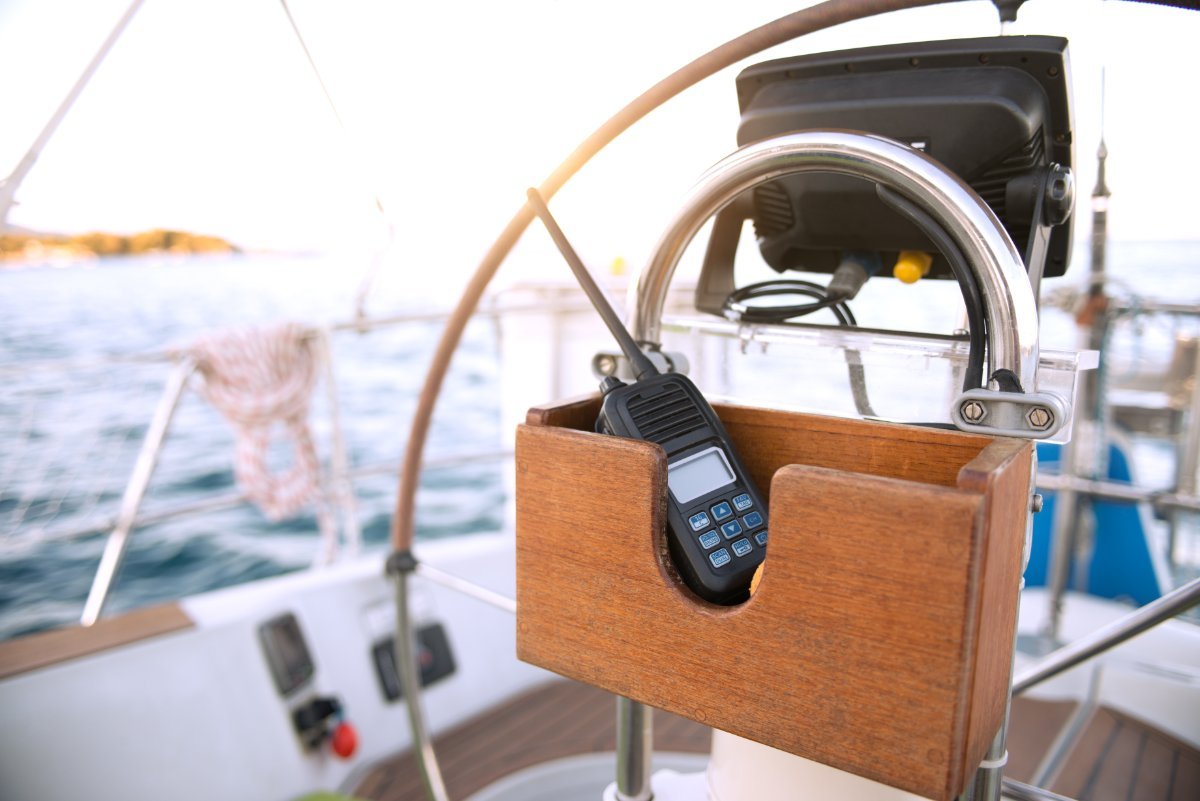
A VHF radio is an important communication tool that provides safety, navigation, group communication, and compliance with regulations. It is versatile and has a range that makes it ideal for a variety of communication needs, ensuring that boaters can stay connected and safe on the water.
Navigation Lights
Navigation lights on a boat help other vessels to see and avoid them in low light or dark conditions. It is important to follow regulations, ensure proper use, and maintain navigation lights to ensure that they are in good working order and provide maximum visibility to other vessels.
Anchors
An anchor is a critical piece of equipment on a boat that helps to keep the vessel in a stationary position, preventing it from drifting away. It is important to choose the right type and size of anchor, use the proper scope, and check the anchor periodically to ensure that it is holding properly. See our guide on anchoring the very basics for the full step-by-step process.
Bilge Pump
A bilge pump is an essential safety feature on a boat that helps to prevent the vessel from sinking by removing water from the bilge. It is important to choose the right type and capacity of pump, install it properly, and maintain it regularly to ensure that it is in good working condition. Having a backup pump is also recommended for added safety.
Emergency First Aid Kit
It is important to periodically check the contents of your first aid kit and replace any expired or used items. In addition, it may be necessary to add items to the kit based on the specific needs of the crew, the location and duration of the trip, and the type of boating activity.
Compass
A compass is an important tool for boaters to have onboard, providing reliable navigation and backup in case of electronic navigation failures. It is a simple and efficient tool that can enhance the overall boating experience and add to the rich tradition of seafaring.
Staying Prepared on the Water
By having these essential safety gear items onboard, you’ll be better prepared for emergencies and can enjoy a safe and enjoyable boating experience. Good preparation also means checking the weather forecast before you head out, since conditions can change the level of risk on any given day.
Frequently Asked Questions
What safety gear is essential on every boat?
At a minimum, every boat should carry properly fitted life jackets, flares, a marine-rated fire extinguisher, an EPIRB, a VHF radio, working navigation lights, a suitable anchor, a bilge pump (ideally with a backup), a stocked first aid kit and a compass.
When should life jackets be worn on a boat?
Life jackets should be worn at all times when the boat is underway. They should fit properly, be easily accessible, inspected and maintained regularly, and chosen in line with the lifejacket regulations that apply in your area.
How often should boat flares be replaced?
Flares should be replaced before they expire and stored properly in the meantime. They should only ever be used in a genuine emergency situation, and the types and quantities required can vary depending on where you are boating.
Why is an EPIRB important on a boat?
An EPIRB provides a reliable distress signal, location tracking and a fast emergency response time. It can help save lives in an emergency and also helps boaters meet regulatory requirements in many countries.
Why should a boat carry a backup bilge pump?
A bilge pump helps prevent a boat from sinking by removing water from the bilge. Having a backup pump installed adds an extra layer of safety in case the primary pump fails or cannot keep up with the volume of water.