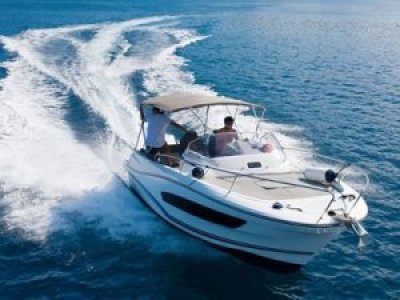
What Is A Sea Trial And Why Is It Important?
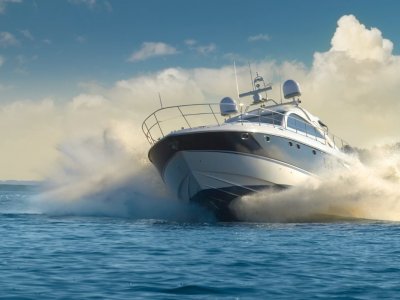
A sea trial is an inspection of a boat on the water to check its seaworthiness, giving a prospective buyer the chance to feel how the boat handles and spot any issues before committing to a purchase, ideally with a marine surveyor or industry expert along for the ride.
Buying a boat is a big decision and an exciting experience, so it pays to get a thorough evaluation that leaves no surprises once the boat is in your possession. Many boat buyers hire a marine surveyor or industry expert to accompany them during the sea trial.
A proper sea trial covers on-water checks of how the boat handles and performs, as well as on-land checks of maintenance records, safety equipment and the general condition of the boat.
Sea Trial Checklist
- Create a real-life environment by operating the boat under the same conditions you would on a typical boating trip, considering how you will use the boat, whether for fishing, skiing, cruising, racing or otherwise.
- The engine should be cold when you start a sea trial, since an engine that has already been warmed to operating temperature can behave differently to how it did when cold.
- Check varying engine speeds, driving in different wave and wind conditions, and adding extra weight on board. Check for rattles and vibrations, and at no-wake speeds, centre the wheel and note how well the boat keeps its line.
- Test the boat’s manoeuvrability, including slalom or left and right turns, swerving to avoid obstacles, full circle turns, and backing in and docking.
- Play the role of both driver and passenger, checking visibility and comfort from each position.
- Use the navigation and communications electronics, including the VHF radio and the autopilot, anchor using the windlass, run the generator if there is one, understand the digital systems and monitor the batteries. If you want to see how to launch the dinghy down off the flybridge, ask for it to be done.
On-Land Checks
- Ask for maintenance records and review them carefully, since a documented service history tells you a great deal about how the boat has been looked after. See our guide on how to check a boat service history for what to look for and how to interpret what you find. If the boat is a popular model, do some online research on performance and possible issues too.
- Check that all safety equipment is on board and in good working order. Our essential safety gear checklist for boaties covers everything that should be on board, so it makes a useful reference to bring along to any sea trial on a used boat.
- Use all your senses. If there is a strong smell of fuel, it could mean a leaky fuel line. If you notice a musky mildew smell, check for leaks or water in storage compartments and other hard-to-see areas of the boat. Any trace of gas, burning rubber or smoke is cause for immediate concern.
- Check for scratches, chips, cracks or corrosion. Although a few minor blemishes are common in used boats, multiple cracks or extensive corrosion in one area could be cause for concern.
- Check that all windows, doors and compartments open without difficulty, and that grab rails and seats are firmly mounted. This is also a good time to check for loose wiring, including cut or frayed lines.
- Inspect the upholstery, including seats, cushions, curtains, blinds, clears and the bimini.
Using What You Find to Negotiate
No boat is perfect. Not all issues will be deal-breakers, but they can help you negotiate the price. Address any issues with as much reason and as little emotion as possible, and obtain an estimate of the cost of repair or replacement. Our guide on how much does it cost to maintain a used boat provides useful ballpark figures for common repairs and ongoing costs that can help you assess whether an issue is minor or significant. Understand that if your offer comes in low, the seller may not be motivated to make many changes.
Frequently Asked Questions
Should I bring a marine surveyor to a sea trial?
Many boat buyers hire a marine surveyor or industry expert to accompany them during the sea trial, since their experience helps identify issues that might not be obvious to a buyer without technical knowledge of boats.
Why should the engine be cold at the start of a sea trial?
An engine that has already been warmed to operating temperature can behave differently to how it did when cold, so starting with a cold engine gives a more accurate picture of how the boat performs from a standing start.
What on-land checks should I do as well as the on-water sea trial?
Ask for maintenance records, check that all safety equipment is on board and working, look and smell for signs of leaks or mildew, inspect for scratches, cracks or corrosion, check that windows, doors and compartments open easily, and inspect the upholstery and fittings.
Can issues found during a sea trial help me negotiate the price?
Yes. While not every issue found during a sea trial is a deal-breaker, raising them calmly along with an estimate of the cost to repair or replace can support a lower offer. Keep in mind that a very low offer may reduce the seller’s motivation to negotiate further.